Artificial Grass Leeds
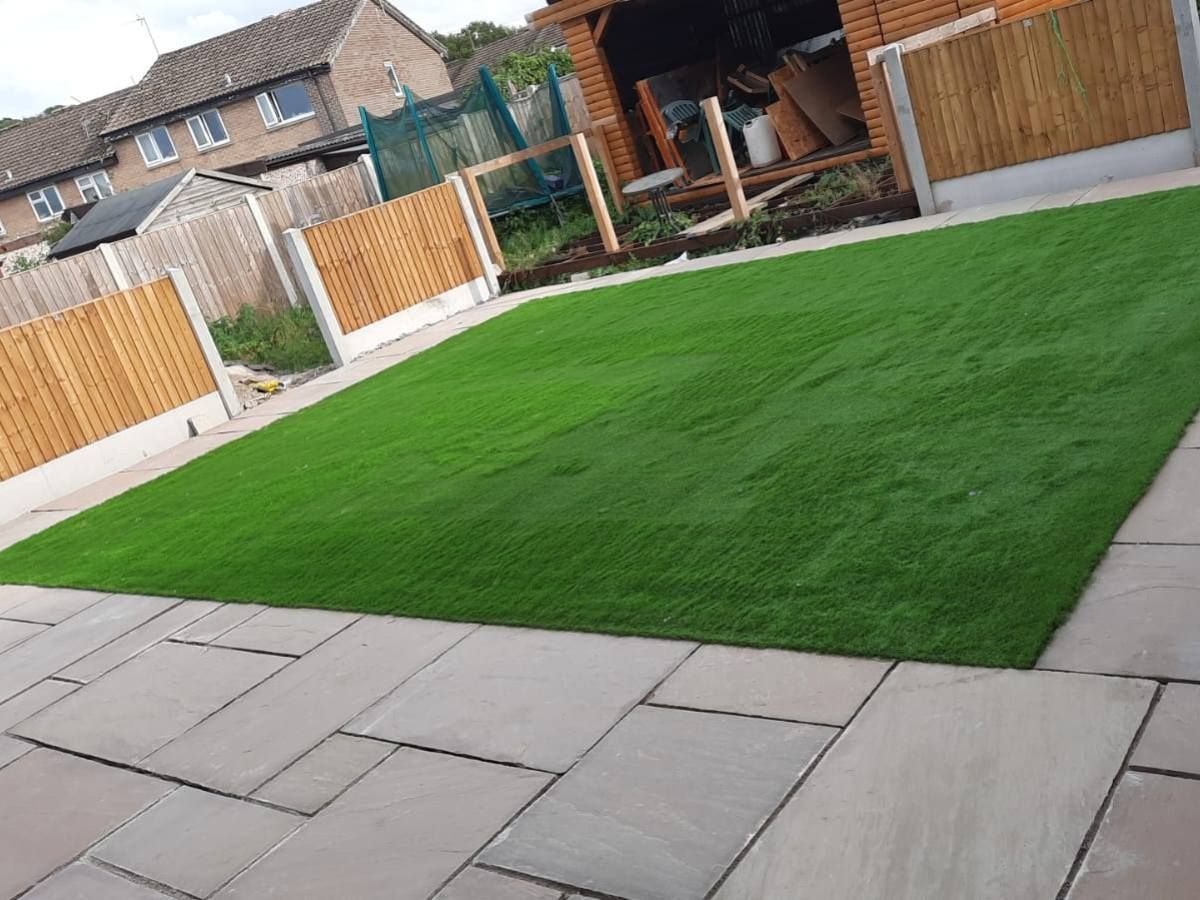
Artificial lawns laid across Leeds and West Yorkshire on a properly prepared base, so they stay flat, drain well and last.
- ⭐ 4.8 on Google
- 35+ Google reviews
- Free no-obligation quotes
- Serving Leeds & West Yorkshire
Artificial grass installers in Leeds
The most important part of an artificial lawn is the part you never see: the base. It decides how flat the lawn is, how long it lasts and how well it drains, including after the dog.
Because we're groundworkers first, the base is where we put the effort, and that's what makes the difference between an artificial lawn that still looks good years later and one that ripples and puddles.
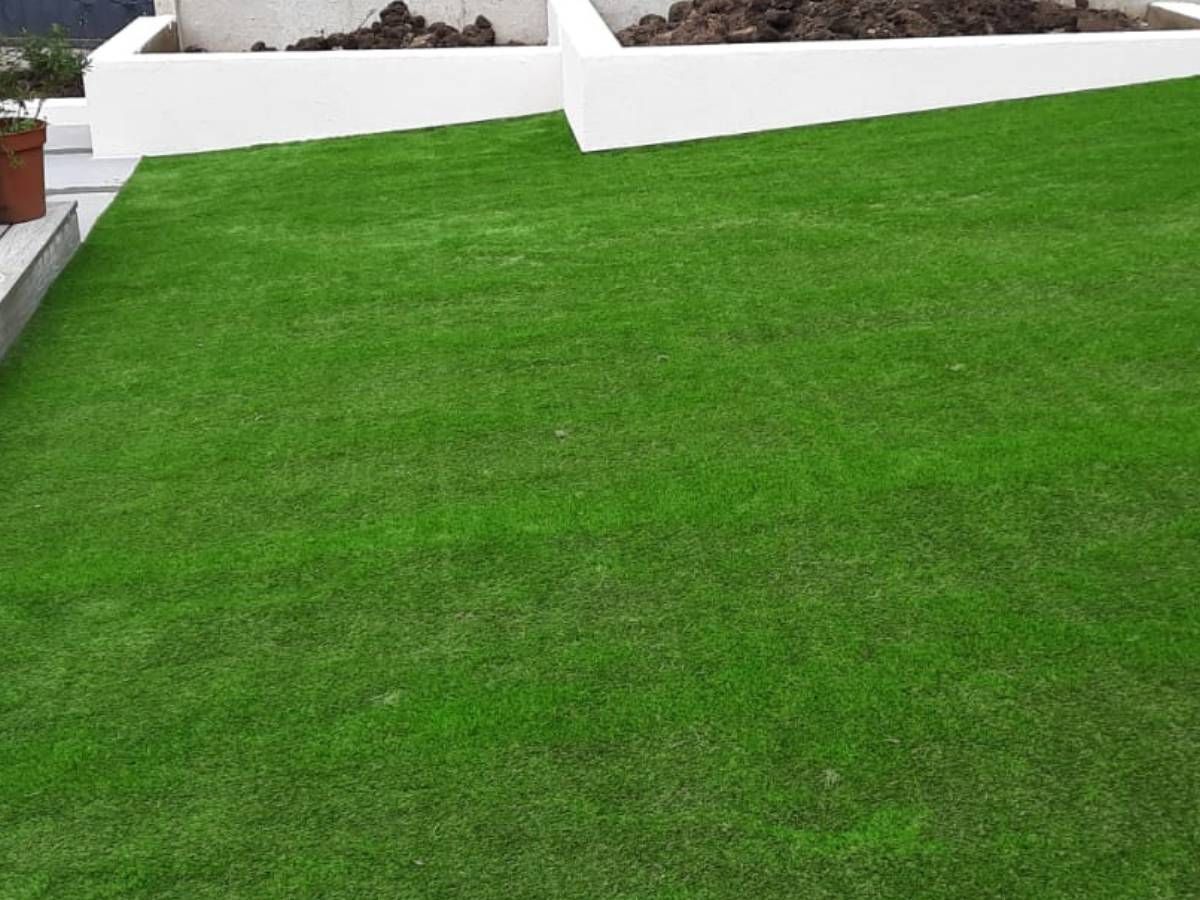
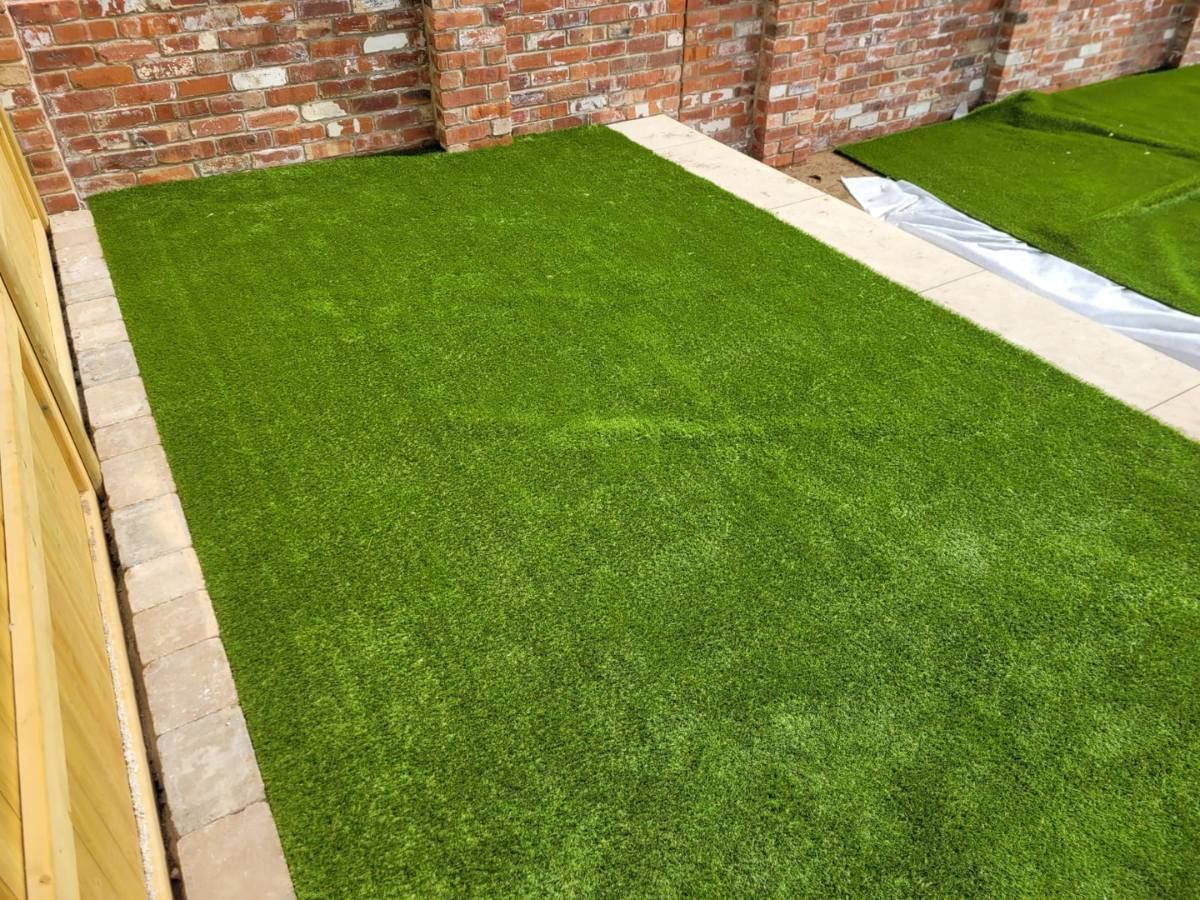
Recent artificial lawns in Leeds
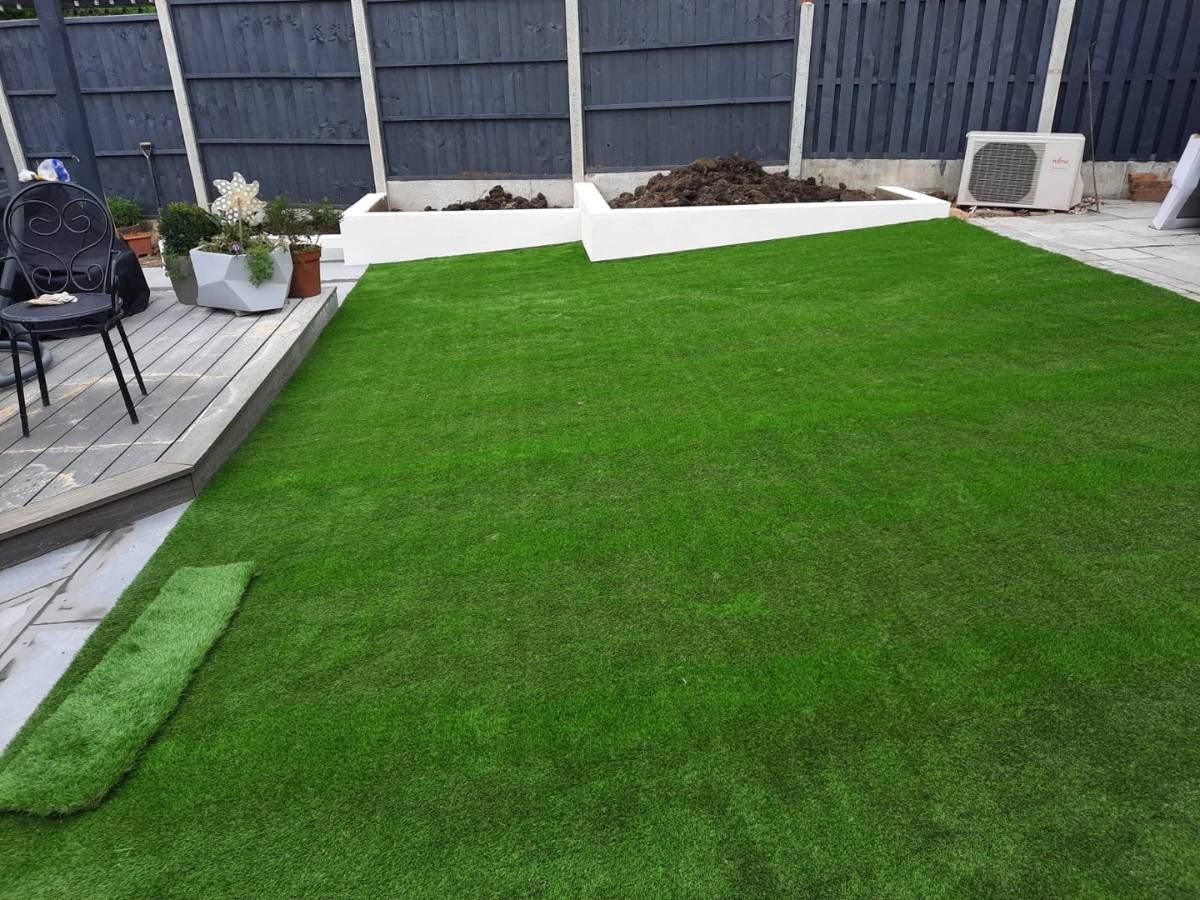
How we lay artificial grass
First we agree the layout with you, including where any joins will fall. Then we assess the soil and the slope, because natural drainage affects how the base is prepared.
An aggregate base goes down and is compacted, followed by a weed membrane and a levelled layer of sand. The grass is rolled out with all the blades facing the same way, joined on jointing tape with no gaps between rolls, and fixed securely around the edges. Depending on the grass, a fine layer of sand is brushed in to finish.
Artificial grass for dogs
Many of our customers are dog owners fed up with muddy paws through the wet months. An artificial lawn ends the mud, and with the right base, urine drains straight through.
People often ask whether their dog will chew it. That rarely happens. The backings we use are non-toxic, though we'd never encourage a dog to eat anything that isn't food. Our range has good drainage holes, which makes every grass in it suitable for dogs.
Types of artificial grass
We'll bring samples to choose from, but it helps to know what makes one grass different from another.
Pile height and density
Pile height is the length of the blades: shorter for heavy use, longer for a lusher look. Density is how many blades there are, and higher density looks fuller and more realistic.
Fibres
Polyethylene fibres are softer and look more natural. Polypropylene is harder-wearing.
Backing and drainage
The backing affects drainage and stability. More and larger perforations drain better and help stop odours and standing water.
Infill and colour
Sand infill is the most common. Most garden grasses mix shades of green with some brown blades so they look like a real lawn.
Artificial grass questions answered
What is the most popular artificial grass you fit?
35mm pile height, by a distance. It looks realistic, it's a good all-rounder and it's suitable for pets.
Is there a difference between pet grass and standard artificial grass?
Not with our range: all of it is suitable for pets. We wouldn't recommend a pile higher than 40mm if you'll be cleaning up after a dog.
Why does the base matter so much?
The base decides how flat the lawn stays and how well it drains. Skimp on it and the lawn will ripple, sink or hold water.
Get a free artificial grass quote
Measure the lawn area roughly, send it over with a photo and we'll price it, or call 0113 519 1919.